Related

How Much Protein Do You Actually Need?
Ask ten people how much protein you should eat and you’ll probably get ten different answers.
Some people think protein is only important for bodybuilders. Others believe they need to consume protein shakes all day long to see results.
The truth is somewhere in the middle.
At The Gym MPLS, one of the most common nutrition conversations we have with members is about protein—and for good reason. Protein plays an important role in recovery, strength, body composition, and overall health.
Why Protein Matters
Protein is often called the building block of muscle, but its role extends beyond strength training.
Protein helps support:
- muscle repair and recovery
- maintaining muscle mass
- satiety and fullness
- healthy aging
- overall body function
Whether your goal is improving performance, losing body fat, maintaining strength, or simply staying active as you age, protein deserves attention.
Are Most People Getting Enough?
Many people are surprised to learn they are not eating as much protein as they think.
A typical breakfast of:
- cereal
- toast
- fruit
may only contain a few grams of protein.
Many lunches and snacks are also heavily focused on carbohydrates while providing very little protein.
As a result, people often finish the day well below their needs.
How Much Protein Should You Aim For?
Individual needs vary based on:
- age
- body size
- activity level
- goals
A common guideline for active adults is approximately:
0.7-1.0 grams of protein per pound of goal body weight per day.
For example:
- Goal weight 150 lbs → 105-150 grams of protein
- Goal weight 180 lbs → 126-180 grams of protein
Not everyone needs to hit the high end of the range, but many active adults benefit from increasing their protein intake.
Spread It Throughout the Day
One of the biggest mistakes people make is trying to consume all their protein at dinner.
Instead, aim to include protein at most meals and snacks.
Examples:
- eggs at breakfast
- Greek yogurt as a snack
- chicken at lunch
- fish, lean beef, or turkey at dinner
- protein shakes when convenient
This often feels more manageable and may better support recovery throughout the day.
Whole Foods First, Supplements Second
Protein powders can be convenient, especially for busy schedules or travel.
But they should supplement, not replace, a balanced diet.
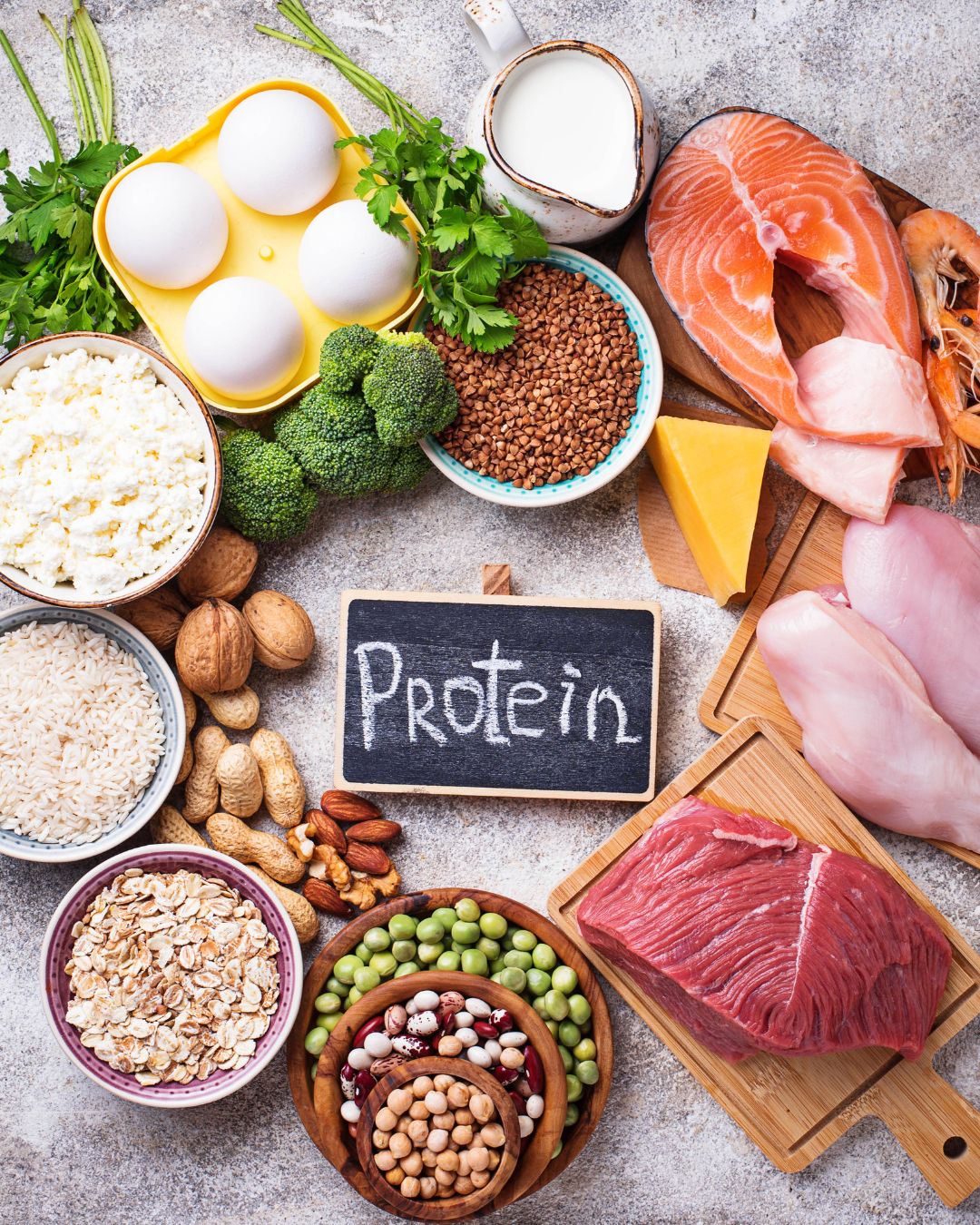
Whenever possible, prioritize:
- lean meats
- poultry
- fish
- eggs
- Greek yogurt
- cottage cheese
- tofu
- legumes
Then use supplements to help fill the gaps.
Build Your Foundation
Nutrition can feel complicated, but protein is one of the simplest places to start.
If you're looking to improve your energy, recovery, body composition, or overall performance, evaluating your protein intake may be one of the most impactful changes you can make.
Want help figuring out how much protein is right for you? Talk with one of our coaches at The Gym MPLS. We'd be happy to help you create a realistic plan that supports your goals and lifestyle.
.png)
.png)
.png)
.png)
.png)
.png)