Related

Isolation vs. Compound Exercises: Which Should You Be Doing?
Walk into any gym and you'll see people performing everything from bicep curls to squats, leg extensions to deadlifts. But have you ever wondered why some exercises work multiple muscles at once while others focus on a single muscle group?
The answer comes down to two types of training: compound exercises and isolation exercises.
At The Gym MPLS, we use both strategically because each serves a unique purpose in helping our members build strength, improve performance, and reach their fitness goals.
What Are Compound Exercises?
Compound exercises involve multiple joints and muscle groups working together during a movement.
Examples include:
- Squats
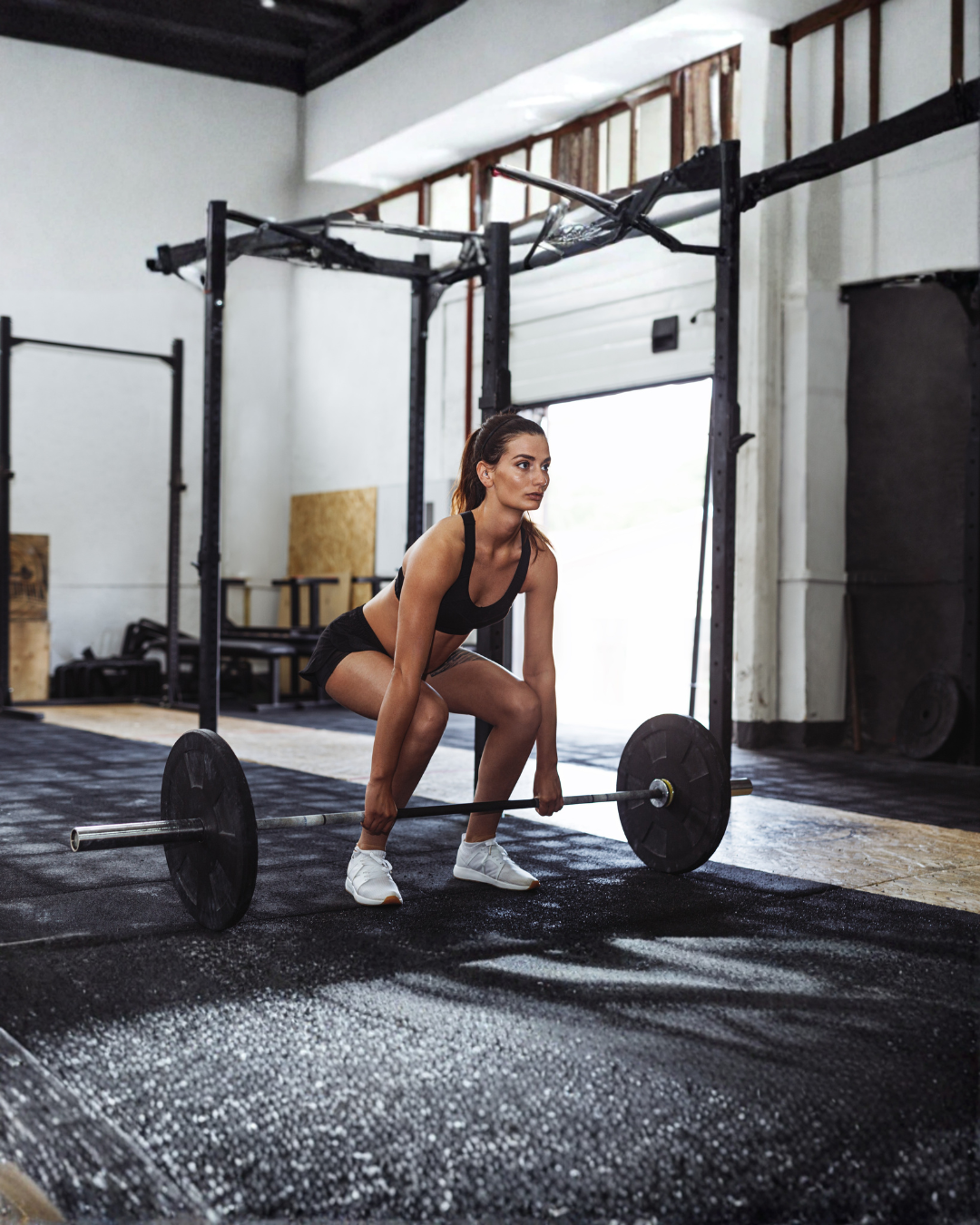
- Deadlifts
- Bench Press
- Pull-Ups
- Rows
- Lunges
- Overhead Press
These movements mimic how the body naturally moves in everyday life and athletic activities.
Benefits of Compound Exercises
More Muscles Working at Once
Because multiple muscle groups are involved, compound movements allow you to train more efficiently.
Greater Strength Development
Compound lifts typically allow you to move more weight, making them highly effective for building overall strength.
Higher Calorie Burn
Using multiple muscle groups requires more energy, which can increase calorie expenditure during training.
Improved Functional Fitness
Movements like squats, carries, and lunges translate directly to daily activities and sports performance.
What Are Isolation Exercises?
Isolation exercises focus on a single muscle group and usually involve movement at only one joint.
Examples include:
- Bicep Curls
- Tricep Pushdowns
- Leg Extensions
- Hamstring Curls
- Lateral Raises
- Calf Raises
These exercises allow you to target specific muscles more directly.
Benefits of Isolation Exercises
Muscle Development
Isolation work can help bring up lagging muscle groups and improve overall muscular balance.
Injury Prevention
Strengthening individual muscles may help support joint health and movement quality.
Improved Mind-Muscle Connection
Isolation exercises help you learn how to activate specific muscles more effectively.
Great for Beginners
They can help newer exercisers understand movement patterns before progressing to larger lifts.
Which Is Better?
The truth is neither is better—they simply serve different purposes.
For most people, compound exercises should form the foundation of a workout program because they provide the greatest return on investment.
Isolation exercises are then used to complement those movements by targeting specific muscles and addressing weaknesses.
A balanced training program often includes both.
The Gym MPLS Approach
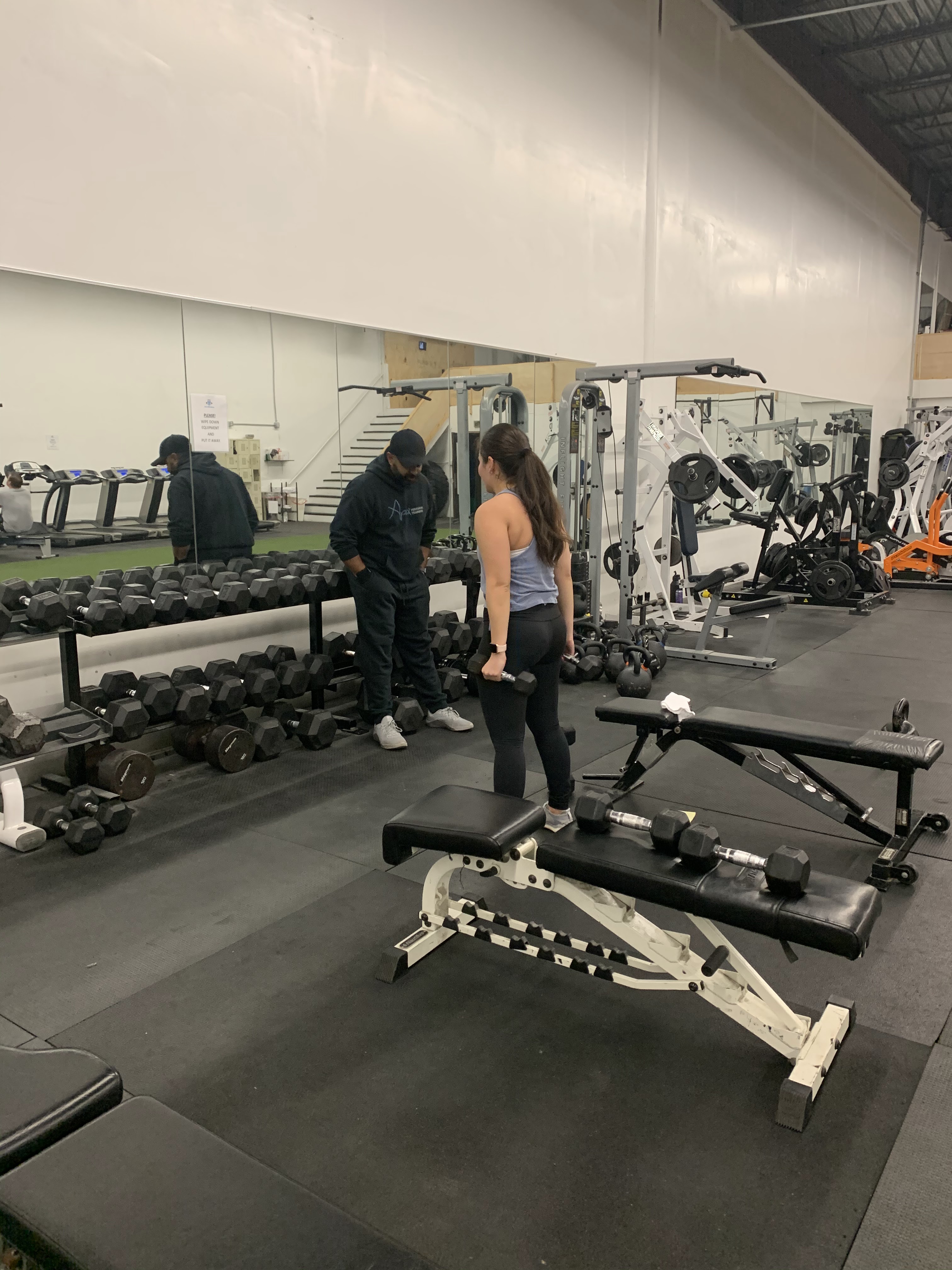
At The Gym MPLS, our coaches design programs that blend compound and isolation exercises to create safe
.png)
.png)
.png)
.png)
.png)